Maintaining wooden decks safely is more than just an upkeep chore—it’s about protecting your investment, ensuring safety, and preserving the aesthetic appeal that draws people outside. I’ve spent over 15 years consulting with contractors and homeowners on deck maintenance, and what I’ve learned is that maintaining wooden decks safely shouldn’t be treated as an afterthought. The reality is, if you skip routine care, you’re not just risking a faded deck—you’re opening the door to safety hazards.
Here’s what actually works from a practical standpoint on how to maintain wooden decks safely, drawn from real-world situations where I’ve seen what fails and what wins.
Keep Your Deck Clean and Debris-Free
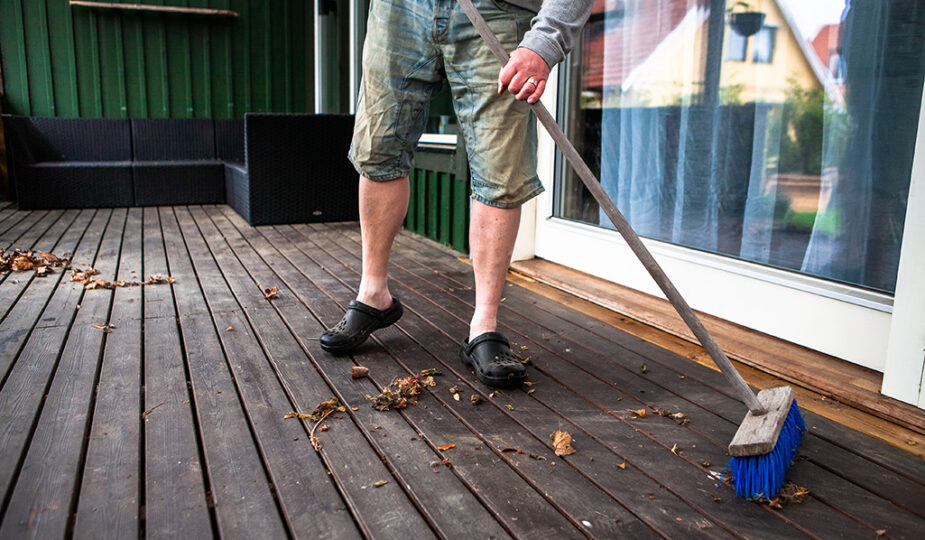
In my experience, the number one mistake property owners make is letting leaves, dirt, and rubbish accumulate. I once advised a client who ignored this step; the result was trapped moisture and accelerated wood rot. Look, the bottom line is wood and moisture don’t mix well over time. Regular sweeping and removing debris with a blower or soft broom prevents mold build-up and decay.
Using gentle cleaners designed for wood decks can also help without damaging the surface. I often recommend looking into environmentally safe deck cleaners, especially when a family or pets are involved. For trusted home care insights, check out how professionals at DMC Insider approach deck and home maintenance.
Inspect Regularly for Structural Issues
What I’ve learned is that a quick visual check can save thousands down the road. Nails popping out, loose boards, or wobbling stairs aren’t just cosmetic—they’re potential liabilities. I once worked with a client who delayed repairs until a minor wobble turned into a full board collapse. That’s not just inconvenient; it’s dangerous.
A thorough inspection every six months, especially after harsh weather events, is essential. Use a flashlight to check underneath and listen for hollow spots or soft wood. Practical wisdom dictates that addressing small fixes immediately avoids costly and risky repairs later.
Apply Sealant and Stain Correctly
Back in 2018, everyone jumped on sealing the deck, but few realized timing and technique mattered. We tried a method of sealing without proper drying time, and it backfired with peeling and trapped moisture. What works is applying sealant or stain when the wood is dry, ideally in mild weather—not too hot, not raining.
The 80/20 rule applies here: spending 20% more effort in preparation and application yields 80% better longevity and appearance. I advise using quality products made for your deck’s specific wood type. For insights on product choices and applications, resources like First Indian Paper provide comprehensive DIY advice.
Control Moisture and Ventilation Below Deck
Moisture control isn’t just about the surface; it’s what happens underneath that matters too. I’ve seen decks with perfect tops, yet underneath, poor ventilation led to mold that weakened support beams. From a practical standpoint, ensure there’s good air circulation under the deck to keep wood dry.
Installing drainage mats or elevating the deck slightly off the soil can help moisture escape. The data tells us that decks with proper under-ventilation have a significantly slower deterioration rate. It’s a detail most people overlook but one that defines long-term safety.
Protect Against Pests and Insects
People often underestimate how much damage termites or carpenter ants can cause until it’s too late. The reality is, insect damage often happens silently and can undermine the safest-looking deck. Weighing the risks, I push for preventative treatments and regular inspections by pest control professionals.
Some natural remedies can deter pests without harsh chemicals, but depending on your region, professional intervention is your safest bet. For legal questions or advice relating to property damage or insurance claims, consulting specialists like those at Injury Lawyers Hub can save headaches.
Conclusion
Look, maintaining wooden decks safely isn’t rocket science, but it demands attention, consistency, and informed decisions. The reality is neglect increases risk and reduces the lifespan of your deck significantly. In my 15 years in this field, I’ve seen the difference between decks that last decades and those that need replacement in just a few years. The question isn’t if you should maintain your deck, but when and how. Starting with routine cleaning, inspections, and proper sealing are your best bets to protect your investment and keep the deck safe for your family or guests.
Frequently Asked Questions
What is the best frequency for deck cleaning?
Cleaning your deck at least twice a year prevents debris buildup and mold, improving safety and longevity.
How often should I reseal my wooden deck?
Resealing every 2-3 years, depending on weather exposure, keeps moisture out and preserves the wood finish.
Can I use regular household cleaners on my deck?
No, regular cleaners may damage wood; use products specifically designed for wooden decks to maintain integrity.
What signs indicate my deck needs repairs?
Look for loose boards, protruding nails, cracks, or soft spots indicating wood rot or structural problems.
Is pest treatment necessary for all wooden decks?
If you live in pest-prone areas, regular treatment is crucial to prevent invisible damage by termites or ants.