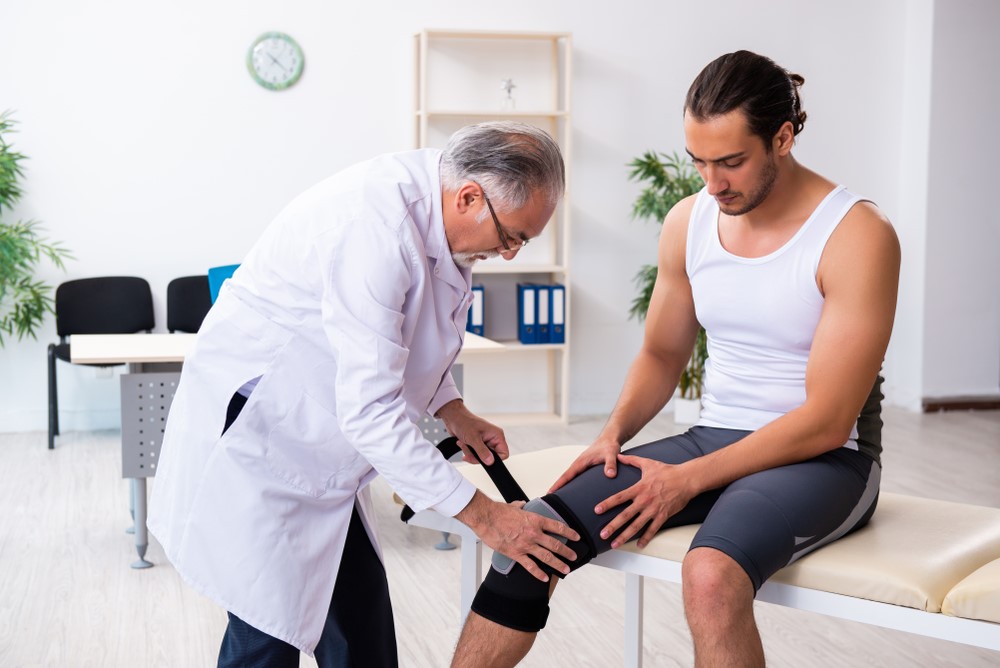
Knee pain can make everyday activities such as walking, climbing stairs, or exercising more difficult. Many people explore regenerative treatments when traditional approaches no longer provide lasting relief. Although stem cell therapy has drawn interest due to its potential to aid the body’s natural healing process, not everyone recovers in the same way. Several factors can influence how well the knee responds after treatment and how quickly improvements become noticeable.
Understanding these factors helps patients set realistic expectations and make informed choices throughout the recovery journey.
The Severity Of The Knee Condition
One of the biggest influences on healing is the condition of the knee before treatment begins. A patient with mild cartilage wear or an early joint injury may experience a different recovery compared to someone with advanced degeneration or long-standing arthritis.
Healthier surrounding tissues often provide a better environment for healing. While regenerative treatments may support damaged areas, extensive joint deterioration can require more time before meaningful improvements are observed.
Overall Health And Wellness
The body’s ability to heal depends greatly on overall health. Good circulation, balanced nutrition, and a strong immune system all contribute to tissue repair.
People with long-term diseases like diabetes, obesity, or inflammatory disorders frequently require extra care during their recuperation because these conditions may impede the body’s normal healing process. Recovery can be positively impacted by following medical recommendations, eating a nutritious diet, and staying hydrated.
Following Post-Treatment Instructions
The period immediately after treatment plays a major role in long-term outcomes. Patients are usually advised to avoid excessive strain on the knee while gradually returning to normal movement.
Ignoring activity restrictions or returning to high-impact exercise too soon may interfere with the healing process. Following recommendations regarding rest, stretching, and physical therapy allows the treated area to recover under the best possible conditions.
Physical Therapy And Guided Exercise
Movement is important, but it must be introduced carefully. A structured rehabilitation program helps strengthen the muscles surrounding the knee while improving flexibility and stability.
Proper physical therapy also reduces stress on the joint, allowing healing tissues to adapt without unnecessary strain. Exercises should always match the individual’s stage of recovery rather than follow a one-size-fits-all approach.
Age And Natural Healing Ability
Age can influence healing because the body’s regenerative capacity gradually changes over time. Younger people frequently recover faster because their tissues are healthier and their cells are more active.
However, age alone does not determine success. Many older adults who remain physically active and maintain good health still experience positive recovery when they follow professional guidance throughout the healing process.
Lifestyle Habits
Daily habits have a significant impact on recovery. Smoking slows the healing process by reducing blood flow and oxygen delivery to tissues. Poor nutrition can also limit the body’s ability to repair damaged structures.
On the other hand, maintaining a healthy weight reduces unnecessary pressure on the knees. Choosing nutrient-rich foods, staying active within recommended limits, and getting enough sleep all support the body’s natural recovery mechanisms.
Consistency During Recovery
Healing rarely happens overnight. Some patients notice gradual improvements over several weeks, while others continue to experience progress over several months.
Consistency is important throughout this period. Attending follow-up appointments, reporting any unusual symptoms, and remaining patient with the recovery timeline often contribute to better long-term results. Many providers offering Dynamic Stem Cell Therapy emphasize that recovery should be viewed as a gradual process rather than an immediate solution.
Individual Biological Response
Every person’s body responds differently to regenerative treatments. Genetics, immune function, metabolism, and previous injuries can all influence how effectively tissues repair themselves.
Because of these natural differences, two individuals with similar knee conditions may experience different recovery timelines. Ongoing medical evaluations and customized treatment programs assist in guaranteeing that every patient receives care according to their particular requirements.
Conclusion
Healing after stem cell therapy for knees depends on much more than the treatment itself. The severity of the condition, overall health, rehabilitation efforts, lifestyle choices, and individual biological factors all work together to influence recovery. Patients who understand these factors and actively participate in their rehabilitation are often better prepared for the healing journey. With realistic expectations, consistent follow-up care, and healthy daily habits, many individuals can maximize their opportunity for improved knee function and long-term joint health.