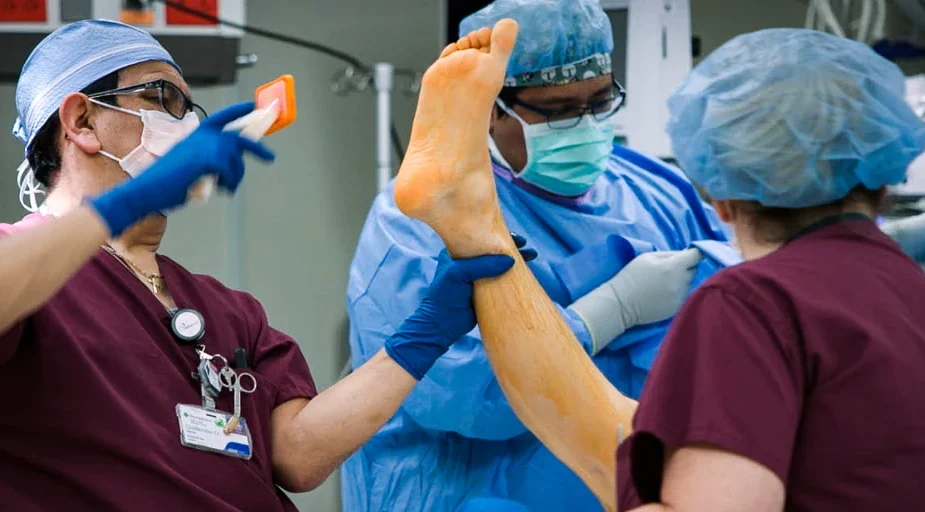
Height surgery, also known as limb extension surgery, is not a one-size-fits-all procedure. Every person considering it brings unique goals, body proportions, lifestyle needs, and emotional expectations. Because of this, surgeons take a highly personalized approach. Rather than simply increasing height, they work to create a balanced result that fits naturally with the individual’s body structure and long-term well-being. Customization is at the heart of modern height surgery, ensuring that the outcome aligns with both form and function. Many individuals considering height increasing surgery work closely with their surgeon to ensure the outcome aligns not only with their physical proportions but also with their personal lifestyle and long-term comfort.
Personal Goals Shape The Starting Point
One of the first steps in planning height surgery involves understanding why the patient wants the change. Some individuals may wish to correct a noticeable leg length difference, while others may be seeking a modest height increase to feel more proportionate. Some desire a fuller transformation to match their inner sense of identity.
Surgeons listen closely to each person’s story. They ask questions about self-confidence, lifestyle, work, social interactions, and physical activity levels. These discussions help shape realistic goals that support both emotional satisfaction and physical comfort. The customization begins not in the operating room, but in the conversation.
Evaluating Body Proportions And Structure
Beyond personal motivations, surgeons conduct a detailed assessment of the individual’s physical structure. This involves studying leg length, torso length, hip alignment, muscle flexibility, and overall posture. Advanced imaging and measurement tools help map out the body’s proportions.
The goal is harmony. The amount of height gained should suit the person’s natural frame. If too much height is added without considering proportions, movement, and symmetry, it can feel off. Skilled surgeons focus not just on the number of centimeters gained, but on how those centimeters will look and feel once the body is standing, walking, and moving in daily life.
Choosing The Right Bones To Lengthen
Most height surgeries involve either the femur (thigh bone), the tibia (shin bone), or both. Surgeons help patients decide which option suits their goals and lifestyle:
- Femur lengthening typically allows faster walking recovery and may involve less muscle stiffness.
- Tibia lengthening can offer a more subtle change and may be recommended for proportion balancing.
- Combined lengthening is sometimes used for those seeking greater height while maintaining natural leg-to-torso ratios.
This decision depends entirely on the patient’s structure, desired height gain, and recovery considerations.
Selecting The Correct Lengthening Device
Modern height surgery typically uses internal expandable rods placed inside the bone. However, not every device is suitable for every patient. Surgeons choose the device based on:
- Bone size and thickness.
- Alignment needs.
- Daily movement patterns.
- Recovery goals.
Customization ensures the device works with the patient’s anatomy rather than forcing the body to adapt unnaturally.
Tailored Rehabilitation Plans
Recovery is where personalization continues. No two bodies respond to lengthening in exactly the same way. Some individuals remain flexible easily, while others require more targeted stretching. Some feel stronger in the early weeks, while others benefit from slower progression.
Physical therapists design movement and exercise routines to match:
- Muscle strength level.
- Joint mobility.
- Balance and gait patterns.
- Pain tolerance.
This ensures that as the bones lengthen, the muscles and nerves adapt at a supportive pace, protecting long-term mobility and comfort.
Emotional Support And Adjustment
Height surgery is also a personal transformation. Surgeons acknowledge the emotional side by discussing expectations openly. Many patients benefit from speaking with counselors, peer support groups, or individuals who have undergone the same journey. Helping someone maintain a positive mindset is part of achieving a successful result.
A Collaborative, Personalized Journey
Modern height surgery is highly individualized. Surgeons and patients work together to design a plan that respects the body’s structure, supports emotional well-being, and produces a balanced, natural-looking result. This personalized approach is what allows height surgery to become not just a physical adjustment, but a thoughtfully guided transformation—one that aligns outer appearance with inner identity.