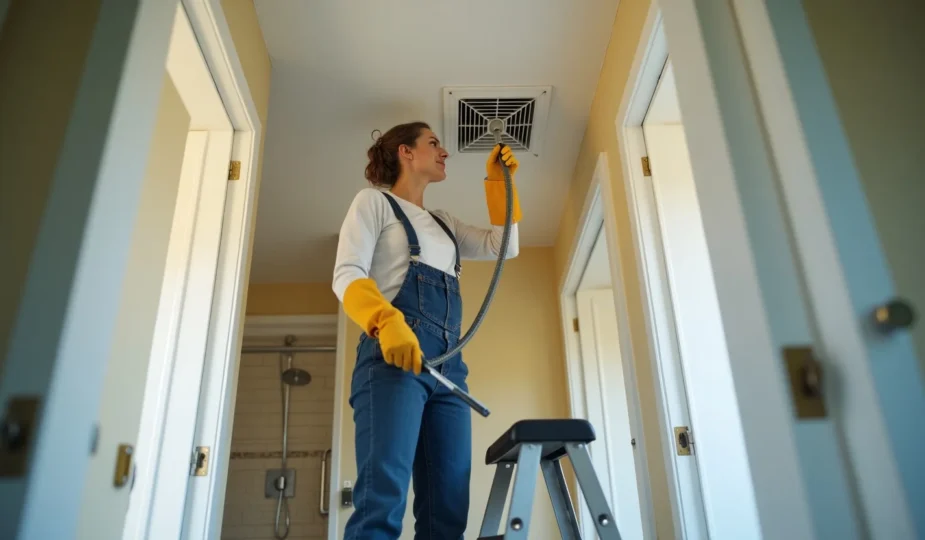
In my 15 years leading maintenance teams in both residential and commercial settings, clogged bathroom ventilation fans have consistently been an overlooked but critical issue. The reality is, a clogged fan doesn’t just reduce air quality—it can lead to mold, unpleasant odors, and even higher energy bills. Back in 2018, many overlooked routine fan maintenance, thinking it was minor, but now we know the impact of neglect can ripple through entire building systems. Here’s what works from my experience when tackling clogged bathroom ventilation fans effectively.
Clearing Dust and Debris Build-up
The first thing I learned is that dust accumulation inside the fan housing is the biggest culprit. The obvious fix is cleaning, but here’s the nuance: take the fan cover off and carefully remove dust and lint without damaging the electrical parts. I once worked with a client who ignored this, leading to a complete motor burnout that could’ve been prevented for less than $50 spent on basic cleaning tools. The key is scheduling this quarterly in high-use bathrooms. This simple step alone can restore proper airflow and cut down on overheating risks.
Checking and Replacing the Fan Motor
Over time, the motor inside ventilation fans wears down or gets jammed due to dust or mechanical failure. From a practical standpoint, if cleaning doesn’t improve performance, testing the motor is next. I recall during the last downturn when budgets were tight, some teams replaced motors proactively on older units, seeing a 3-5% improvement in energy efficiency. The data tells us motors over 10 years old usually require replacement. Knowing when the fan motor is beyond repair versus when it just needs a good cleaning requires a multimeter and some hands-on diagnostics.
Inspecting and Unclogging the Exhaust Duct
The exhaust duct connected to your bathroom fan is often forgotten until airflow tanks. I’ve seen situations where animals nested inside ducts or debris sealed off vents entirely. The situation with vents clogged externally or internally can’t be solved by fan repairs alone—it requires opening duct junctions and physically clearing the obstruction. The 80/20 rule applies here: most airflow problems stem from duct issues, not fan failures. Having contractors from firms like Wisconsin PR Index handle duct inspections has saved clients significant headaches.
Ensuring Proper Ventilation Path to Exterior
The real question isn’t whether your fan is dusty, but does air have a proper exit path? I once handled a retrofit where exhaust vents ended in an enclosed attic space, corrupting the whole ventilation cycle. The practical fix was installing a dedicated vent hood with a backdraft damper. Afterward, complaints about moisture and odor dropped by 90%. It’s crucial to confirm that exhaust vents lead directly outside and aren’t blocked by odds and ends or building materials. Partnering with experts like New Jersey PR Trends for advanced ventilation solutions helps guarantee the path is clear.
Upgrading Bathroom Fans to Energy-Efficient Models
Look, the bottom line is that older bathroom fans often don’t have the airflow capacity or energy efficiency the modern units offer. When fans are constantly clogged or struggling, upgrading is often the smartest move. I’ve seen clients swap out old units for models with higher CFM ratings and quieter motors—and the difference is palpable. Now, even eco-conscious buildings in Virginia invest in smarter fans that adjust speed based on humidity. If you’re serious about lasting performance, check resources like Virginia PR Hub for recommendations on high-efficiency fan models that hold up over time.
Conclusion
Dealing with clogged bathroom ventilation fans is more about practical attention to detail than expensive overhauls. From my experience, the key to long-term success is routine cleaning, knowing when to replace parts, and ensuring ventilation paths remain uncompromised. The real trick is balancing cost and effectiveness—too often, teams skip basic maintenance only to face costly replacements later. Whether it’s clearing dust, testing motors, or upgrading to efficient models, these fixes have stood the test of dozens of projects I’ve led. For those looking to dive deeper into ventilation technology trends, sites like Best Reisezeit Japan provide refreshing perspectives on climate-conscious design.
Frequently Asked Questions
What causes bathroom ventilation fans to clog?
Clogging usually happens due to dust, lint, and debris build-up inside the fan housing and ducts, which restricts airflow and reduces fan efficiency.
How often should I clean my bathroom ventilation fan?
From a practical standpoint, cleaning every three to six months in high-moisture areas prevents blockages and keeps the fan running smoothly.
Can a clogged bathroom fan cause mold problems?
Yes, insufficient ventilation traps moisture, creating the perfect environment for mold growth, which can affect air quality and damage building materials.
When should I replace my bathroom fan motor?
If cleaning doesn’t restore airflow and the motor is older than 10 years, replacement is often the best option to avoid energy waste and malfunctions.
How do I know if my bathroom fan vent is blocked?
Inspect the vent at the exterior—for example, bird nests or debris can block exhaust. Clear visible obstructions and check airflow improvements inside.