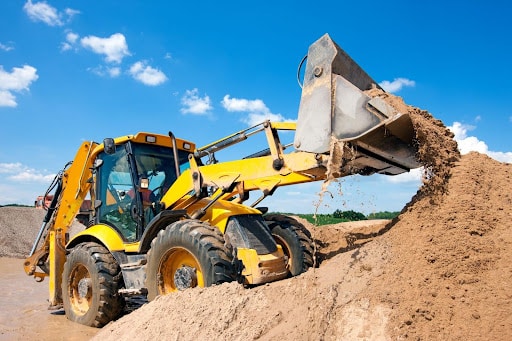
When tackling a construction project, selecting the right heavy equipment is crucial for ensuring efficiency, safety, and cost-effectiveness. Whether you are working on a small renovation or a large-scale infrastructure project, renting heavy equipment is often the preferred option for many businesses due to its cost-effectiveness and flexibility. However, choosing the right equipment can be daunting given the range of machines available and the specific needs of your job site. This guide will help you make the right choice, ensuring that your project runs smoothly.
Assess The Project Requirements
To choose the proper heavy equipment rental, first evaluate your project’s needs. Each construction job has its unique set of tasks, whether it’s digging, lifting, grading, or demolition. Begin by assessing the scope of the work to determine what types of equipment will best meet your needs. For instance, if you’re involved in earth-moving, you may need excavators, bulldozers, or backhoes. If your job requires lifting heavy materials, cranes or forklifts would be more suitable. Additionally, consider job size and scope. A larger construction site may require more powerful machinery or multiple units, whereas a smaller project may need just one or two machines.
Consider The Equipment Specifications
Once you have a clear understanding of your job requirements, it’s important to review the specifications of the equipment you’re considering renting. Every piece of heavy equipment comes with different capacities, sizes, and configurations that make them suitable for specific tasks. For example, if you need to move a large amount of dirt quickly, a powerful bulldozer with a large blade is essential. However, if you are working in tight spaces, a compact excavator might be more appropriate. Look at the weight capacity, reach, and size of the equipment to ensure it matches the demands of your job site. Overestimating or underestimating the power of the equipment can result in inefficiency or even equipment failure.
Evaluate The Condition Of The Equipment
One of the most important factors to consider when renting heavy equipment is its condition. Poorly maintained or antiquated equipment can cause delays, cost more, and be dangerous. Check the equipment or ask for maintenance records before signing a rental agreement. Ensure that the machinery is in good working order and up to date with necessary repairs or upgrades. If possible, opt for newer models, as they are more likely to be fuel-efficient and come with the latest safety features.
Safety And Compliance
Safety is paramount on any job site, and the equipment you rent must meet both industry standards and local regulations. Check that the machinery adheres to safety requirements, such as proper certifications and operating manuals. Furthermore, ensure that all operators are trained and familiar with the equipment. Most rental companies will offer training or operational guidelines, so take advantage of these resources if necessary. To reduce accidents, make sure the equipment has rollover protection and seat belts.
Consider The Rental Terms And Costs
Rental agreements can vary, so it’s essential to understand the terms and pricing structure of the rental contract. Rental costs typically depend on the type of equipment, the duration of the rental, and any additional services such as transportation or insurance. Compare prices from multiple rental companies to ensure you’re getting the best value for your money. It’s also important to factor in the costs of fuel, maintenance, and any potential penalties for exceeding the rental period or causing damage to the equipment. Choose a rental plan that aligns with the length of your project to avoid unnecessary expenses.
Additionally, ask about any additional services the rental company may offer, such as delivery, setup, and post-rental support. Some companies provide on-site maintenance or emergency services if the equipment breaks down, which can help avoid costly downtime during your project.
Reputation And Customer Support
The reputation of the rental company is another critical consideration. Pick a rental provider with a good reputation for reliable equipment and customer service. Check online reviews and contact industry peers for referrals to guarantee the company provides great service. Good customer service is crucial if you have equipment troubles while renting. A reputable company will provide quick responses to any technical difficulties, helping to minimize disruptions to your project.
Flexibility And Availability
Construction projects rarely go as planned, so having access to flexible rental options is essential. Choose a rental company that can accommodate changes to your equipment needs, whether it’s upgrading or switching out equipment as the project evolves. Availability of machinery is also important, especially for high-demand equipment. Ensure that the rental company has the necessary equipment in stock and can deliver it promptly when required. Reliable equipment helps keep your project on track and avoid delays.
Conclusion
Selecting the right heavy equipment rental for your job site is essential for the smooth operation of your project. By understanding your project requirements, evaluating equipment specifications, ensuring safety and compliance, comparing costs, and choosing a reputable rental company, you can make a well-informed decision. Always prioritize quality, reliability, and support to minimize downtime and maximize efficiency. With the right equipment at your disposal, your construction project will have the best chance of success.