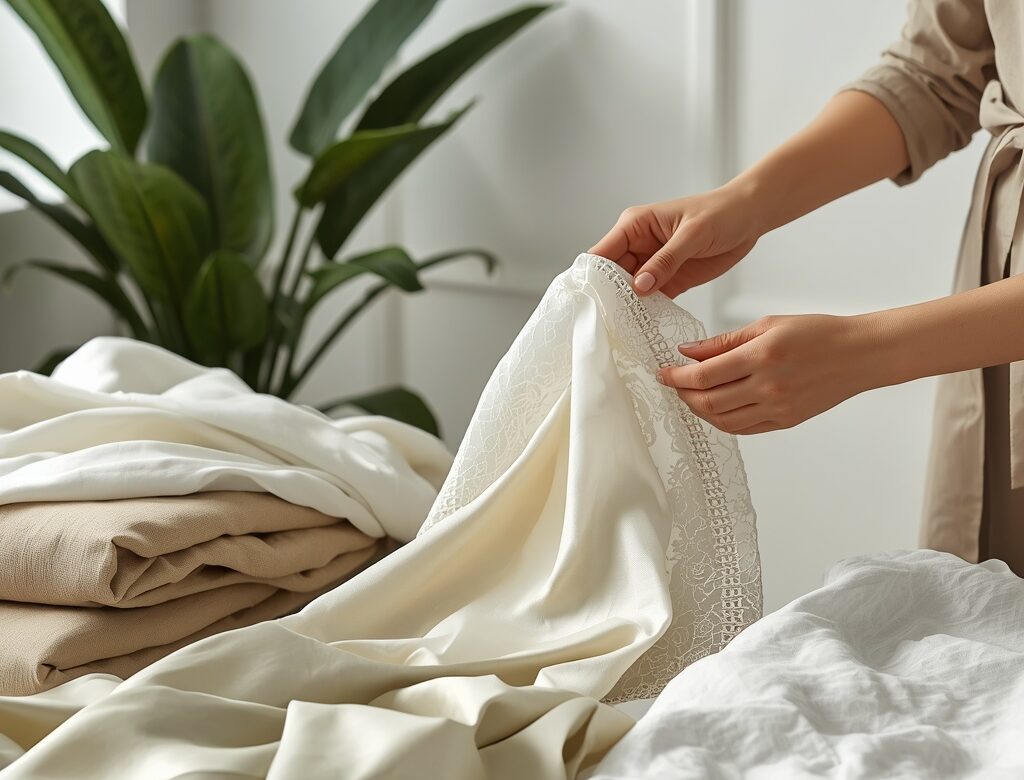
Natural fibers that are soft add warmth, style, and comfort to any home. People like cotton, linen, wool, silk, and other natural textiles because they are soft, have a nice texture, and look good for a long time. Most of the time, though, these fabrics are more likely to stain, fade, get wet, and wear out than synthetic ones. They can lose their beauty much faster than you think if you don’t take good care of them.
Protecting these materials is not difficult, but it does require a thoughtful approach. From daily maintenance to professional treatments, the right habits can help preserve their appearance and extend their lifespan.
The Nature of Different Fibers
Every fabric responds differently to daily use and environmental conditions. Cotton and linen are breathable and durable, but they can absorb liquids quickly. Wool naturally resists dirt to some extent, yet excessive moisture may damage its fibers. Silk is luxurious but highly sensitive to sunlight, spills, and harsh cleaning products.
Before using any cleaning method or protective product, it is important to identify the type of fabric you are working with. Following manufacturer care instructions helps prevent accidental damage and ensures each material receives appropriate treatment.
Clean Spills as Soon as Possible
One of the simplest ways to preserve delicate fabrics is to address spills immediately. The longer a liquid remains on the surface, the more likely it is to penetrate the fibers and create permanent stains.
Instead of rubbing a spill, gently blot it with a clean, absorbent cloth. Rubbing may spread the stain deeper into the material or damage the fabric’s texture. For stubborn stains, use cleaning solutions recommended specifically for that fabric type.
Quick action often makes the difference between a temporary accident and lasting damage.
Keep Fabrics Away From Direct Sunlight
Natural sunlight can gradually weaken fibers and fade colors. Upholstered furniture placed near large windows may show uneven fading after months of continuous exposure.
To reduce UV damage:
- Use curtains or blinds during the brightest parts of the day.
- Rotate cushions regularly to ensure even exposure.
- Rearrange decorative pillows or throws occasionally to minimize visible wear.
These small adjustments help maintain vibrant colors and preserve fabric strength over time.
Vacuum Upholstery Regularly
Dust and dirt may seem harmless, but tiny particles act like abrasives when people sit or move across upholstered furniture. Over time, this friction wears down delicate fibers.
When you use a vacuum cleaner with a soft brush attachment, you can get rid of dust before it gets deep into the fabric. Weekly vacuuming is usually enough for most households, while homes with pets or higher traffic may benefit from more frequent cleaning.
Regular maintenance also helps reduce allergens and keeps furniture looking fresh.
Avoid Harsh Cleaning Chemicals
Many general household cleaners contain ingredients that are too aggressive for natural textiles. Strong chemicals may discolor fabrics, weaken fibers, or leave behind residue that attracts more dirt.
Whenever possible:
- Choose cleaners designed for specific fabric types.
- Test any product on an inconspicuous area first.
- Avoid excessive water saturation during cleaning.
Gentle care helps preserve both the appearance and structural integrity of delicate materials.
Consider Professional Fabric Protection
Fabric protection done by a professional is one of the best ways to keep valuable upholstery safe. A high-quality protective treatment creates an invisible barrier that helps resist stains, moisture, and everyday contaminants without changing the texture or appearance of the fabric.
This additional layer of defense makes routine maintenance easier while helping furniture retain its original beauty for years. Homeowners looking for long-term protection should consider Contact Ultra-Guard Fabric Protection to learn more about professional solutions designed for delicate and natural fibers.
Reduce Everyday Wear
Furniture experiences gradual wear even when it appears clean. Repeated use in the same spots causes fibers to flatten and weaken over time.
Simple habits can reduce unnecessary stress on fabrics:
- Rotate seat cushions regularly.
- Avoid placing sharp objects on upholstered furniture.
- Keep pets’ nails trimmed to reduce snagging.
- Use throws or decorative covers in high-use areas.
These preventative measures distribute wear more evenly and extend the life of upholstered pieces.
Maintain a Stable Indoor Environment
Humidity and temperature fluctuations can affect natural fibers. Excessive humidity encourages mold and mildew growth, while extremely dry conditions may cause certain materials to become brittle.
Maintaining balanced indoor humidity with proper ventilation or climate control creates a healthier environment for both fabrics and occupants.
Conclusion
Delicate and natural fibers deserve careful attention because they contribute significantly to the comfort and style of a home. Understanding the unique characteristics of each material, responding quickly to spills, minimizing sun exposure, cleaning gently, and reducing everyday wear all play important roles in preserving their beauty. Professional fabric protection adds another level of defense by helping valuable furnishings resist stains and daily use. With consistent care and preventative maintenance, natural fabrics can continue looking elegant, comfortable, and inviting for many years.