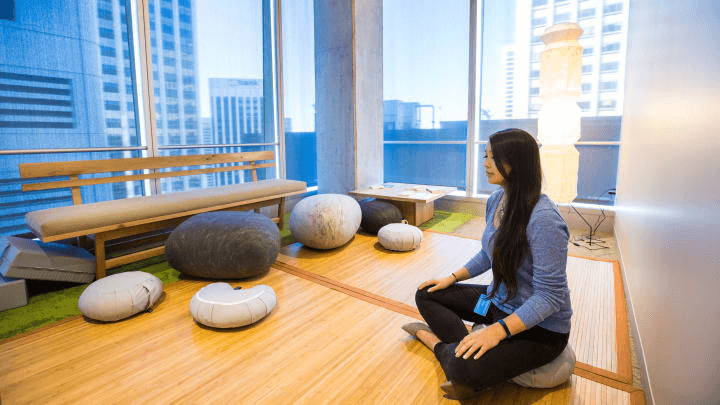
Modern cities are filled with movement, technology, traffic, and constant activity. Urban life offers opportunities, entertainment, business growth, and social connection, but it also creates stress and mental exhaustion for many people. As cities become more crowded and digitally connected, quiet spaces are becoming increasingly valuable. People are now searching for peaceful environments that help them relax, think clearly, and recover from the pressure of busy urban lifestyles. Discussions featured in startup news Australia also show that modern professionals are increasingly valuing calm and balanced environments within rapidly growing urban areas.
Quiet spaces are no longer viewed as simple luxuries. They are becoming essential parts of emotional wellbeing, productivity, and healthy living. From parks and libraries to peaceful cafés and calm home interiors, urban residents are beginning to understand the importance of silence and balance in daily life.
The Pressure Of Constant Urban Activity
City life moves quickly. People spend hours surrounded by traffic noise, construction activity, crowded public transportation, and nonstop digital communication. Over time, this constant stimulation can affect concentration, mood, and overall mental health.
Many urban residents now realize that nonstop activity does not always improve quality of life. Instead, moments of calm often help people feel more focused and emotionally balanced. Quiet environments allow the mind to slow down and recover from continuous information overload.
Conversations featured in platforms connected with startup news Australia often discuss how modern professionals are prioritizing healthier lifestyles and more balanced work environments in fast growing cities.
Quiet Spaces Support Mental Wellbeing
One of the biggest reasons quiet spaces are becoming more important is their effect on mental wellbeing. Calm environments help reduce stress and improve emotional stability. People often feel more relaxed when they spend time away from loud surroundings and constant distractions.
Urban parks, meditation areas, reading spaces, and peaceful cafés provide opportunities for reflection and mental recovery. Even short periods spent in quieter environments can improve focus and lower feelings of anxiety.
As conversations around wellness continue growing, many people are paying closer attention to how physical surroundings influence emotional health. This shift is encouraging city planners and businesses to create more spaces designed for relaxation and calm experiences.
Changing Workplace Expectations
The importance of quiet environments is also influencing modern workplaces. Employees are increasingly seeking offices that support concentration, creativity, and mental comfort rather than noisy high pressure settings.
Businesses are beginning to understand that calm workspaces often improve productivity and employee satisfaction. Instead of filling offices with constant activity, many companies are creating quiet zones, flexible meeting spaces, and wellness focused environments.
Professional communities associated with business write for us discussions frequently explore how workplace design influences creativity, communication, and long term employee performance.
The modern workforce is gradually moving away from the belief that busier environments always lead to better results. In many situations, quieter spaces encourage clearer thinking and stronger decision making.
Urban Design Is Evolving
City planners and architects are also recognizing the growing value of peaceful urban environments. Modern urban development increasingly includes green spaces, walking areas, rooftop gardens, and quiet recreational zones that offer relief from busy city conditions.
These developments are important because population growth continues placing pressure on urban infrastructure. Without balanced city planning, overcrowding and noise can negatively affect quality of life.
Design trends now focus not only on functionality but also on emotional comfort. Public spaces are being designed to encourage relaxation, social connection, and mental recovery.
Many online conversations connected with business write for us Australia highlight the growing relationship between urban planning, business development, and human wellbeing in modern cities.
Technology Is Increasing The Need For Silence
Technology has improved communication and convenience, but it has also created constant digital noise. Notifications, emails, video content, and social media updates compete for attention throughout the day. Because people remain connected almost constantly, quiet spaces now provide rare opportunities to disconnect mentally.
Silence has become valuable because it allows people to focus without interruptions. Many individuals are intentionally reducing digital distractions by creating calmer home environments or spending more time in peaceful public spaces.
This trend reflects a larger cultural shift where people increasingly value mindfulness, balance, and intentional living. Instead of constantly seeking stimulation, many individuals are now searching for environments that help them slow down and recharge emotionally.
Quiet Luxury And Modern Lifestyle Trends
Quiet spaces are also becoming connected with modern lifestyle trends. Many people now associate calm environments with comfort, quality, and emotional wellbeing. Homes with peaceful interiors, natural lighting, and private outdoor areas are becoming highly desirable in urban markets.
Restaurants, hotels, and cafés are also adapting by offering more relaxed atmospheres that encourage conversation and comfort rather than overwhelming entertainment. Consumers increasingly appreciate experiences that feel calm and thoughtfully designed.
Even discussions surrounding top brands Australia often show how successful companies are incorporating simplicity, comfort, and emotional wellness into their branding and customer experiences.
Modern consumers no longer view loudness and constant excitement as the only signs of success or entertainment. In many cases, peaceful experiences now feel more valuable and memorable.
The Future Of Urban Living
As cities continue growing, quiet spaces will likely become even more important. Urban residents are becoming more aware of the relationship between environment and wellbeing. People want cities that support both opportunity and emotional balance.
Future urban planning may focus more heavily on creating peaceful public spaces, wellness focused architecture, and healthier living environments. Businesses, developers, and governments are beginning to understand that quality of life depends not only on economic growth but also on mental comfort and human connection.
Ultimately, quiet spaces are becoming valuable because they offer something increasingly rare in modern urban life. They provide clarity, emotional recovery, and moments of calm in environments that often feel overwhelming. In a world filled with constant noise and digital pressure, silence itself is becoming one of the most meaningful experiences people can find.